Energy-Saving Tips for Commercial Refrigeration Units
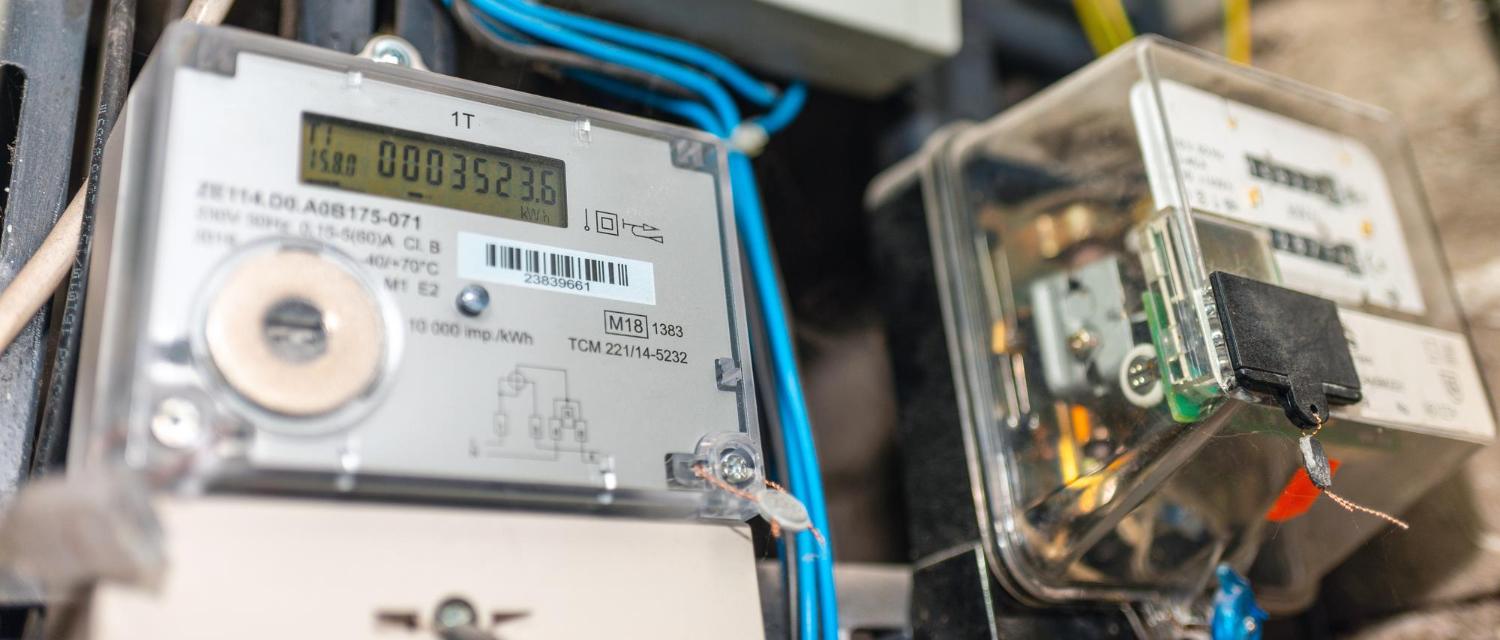
If you’re running a restaurant, café, wet market stall, or F&B outlet, your refrigeration unit is probably running 24/7 — and quietly eating up a big chunk of your electricity bill while it’s at it. In fact, commercial refrigeration can account for a significant share of total energy use in a typical F&B kitchen, simply because it never gets a day off.
The good news? You don’t need to replace your entire chiller system to see real savings. A few smart habits and small upgrades can make a noticeable difference to your monthly bill, without compromising food safety or cooling performance.
Here’s what actually works.
1. Keep the Condenser Coils Clean
Dust, grease, and kitchen grime love to settle on condenser coils, and when they do, your unit has to work harder to release heat. That extra effort translates directly into higher energy consumption. A simple monthly wipe-down or brush-clean of the coils can help your compressor run more efficiently and last longer.

2. Check Door Seals and Gaskets Regularly
A worn-out door seal is one of the most overlooked energy drains in commercial kitchens. If cold air is leaking out (or warm air is sneaking in), your unit compensates by running longer and harder. Do a quick “paper test” — close the door on a piece of paper and see if it slides out easily. If it does, it’s time to replace the gasket.
3. Don’t Overload — But Don’t Underload Either
An overstuffed chiller blocks airflow, forcing the compressor to work overtime to maintain temperature. On the flip side, running a unit that’s mostly empty means cooling air with nothing to hold the cold. Aim for a well-organised, moderately stocked unit so cool air can circulate freely.
4. Set the Right Temperature — Not Colder Than Necessary
It’s tempting to set your chiller a few degrees lower “just to be safe,” but every extra degree of cooling adds to your energy load. Stick to recommended food safety temperatures rather than overcooling — your ingredients (and your electricity bill) will thank you
5. Position Your Unit Away from Heat Sources
Placing a refrigeration unit next to a stove, oven, or in direct sunlight forces it to fight against constant heat exposure. Where possible, position units in a cooler, well-ventilated part of the kitchen, away from major heat sources.
6. Maintain Consistent Airflow Around the Unit
Refrigeration units need space to breathe. Blocked vents or units pushed flush against a wall can trap heat around the compressor, reducing efficiency. Leave adequate clearance as recommended by the manufacturer.

7. Invest in Stainless Steel, Well-Insulated Units
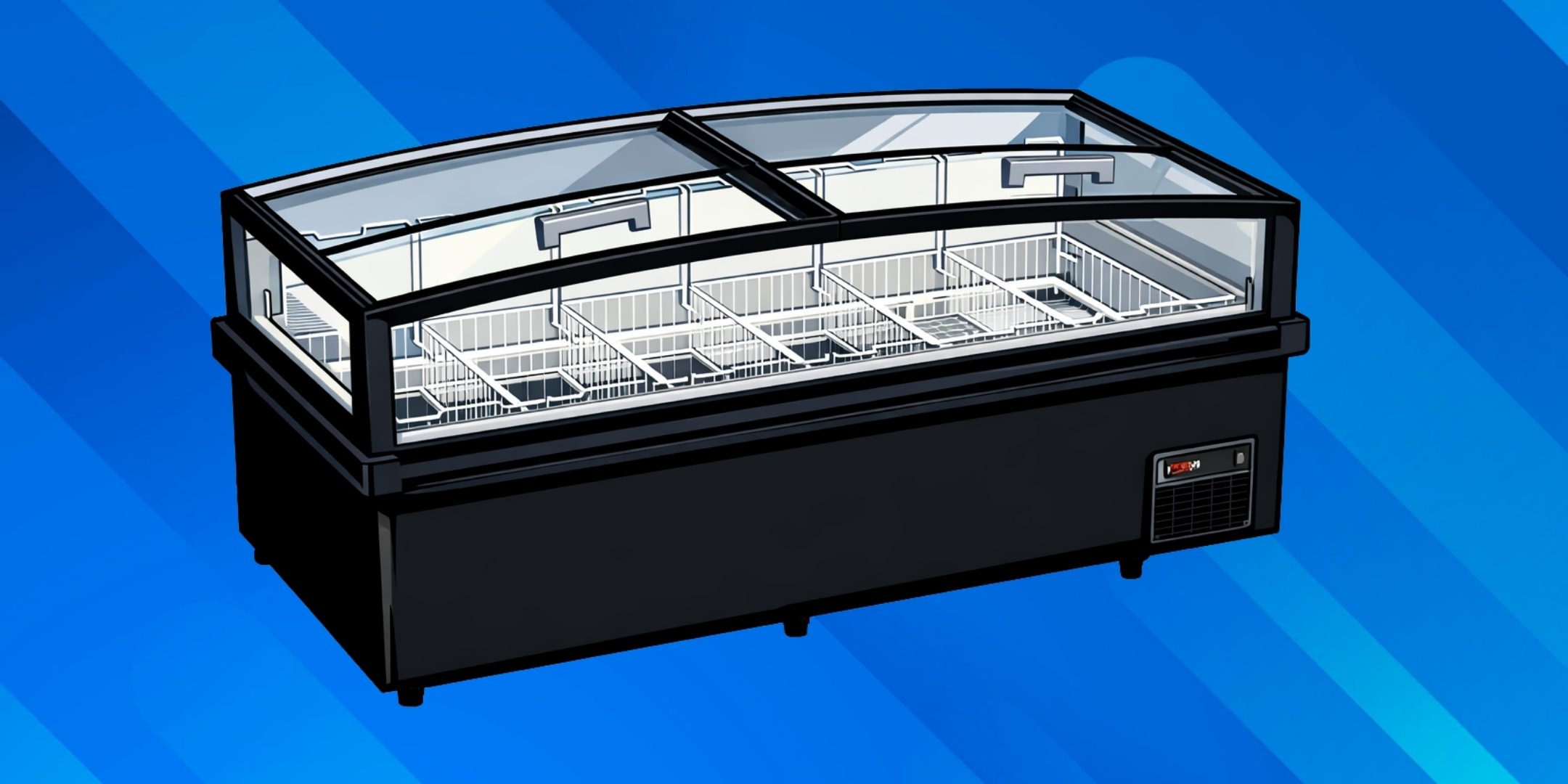
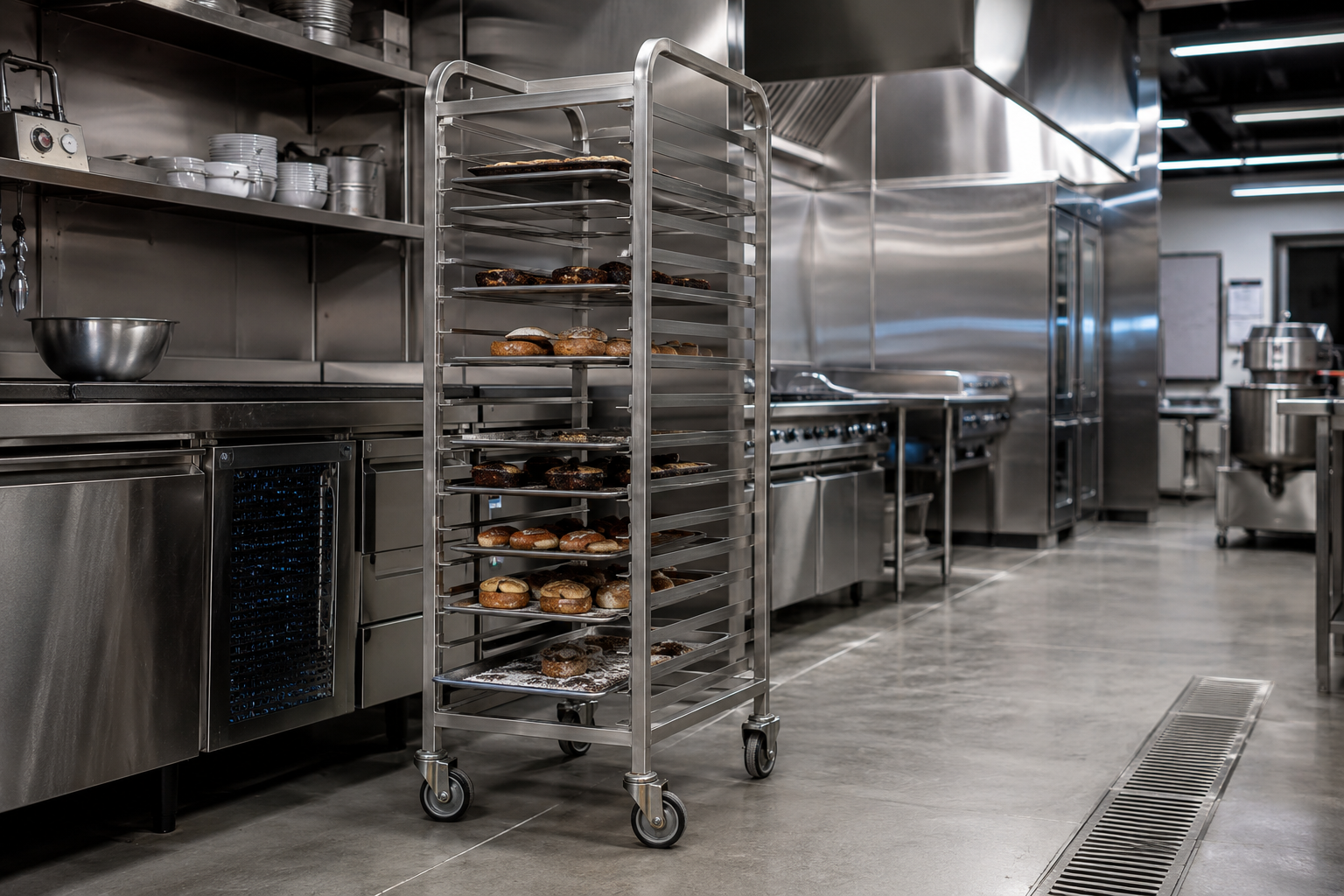
Older or poorly insulated units lose cold air faster, making the compressor cycle more frequently. Modern stainless steel commercial refrigeration units — like the ones built for Malaysian F&B operations — are designed with better insulation and more efficient compressors, which pays off in lower long-term energy costs.
8. Schedule Regular Professional Servicing
Even with good daily habits, refrigerants leak, fans wear out, and thermostats drift out of calibration over time. A regular service check by a qualified technician can catch small issues before they become expensive energy drains — or worse, full breakdowns.
The Bottom Line
Energy efficiency in commercial refrigeration isn’t about one big fix — it’s about consistent, small habits that add up. Clean coils, tight seals, sensible loading, and the right equipment can meaningfully lower your electricity costs while keeping your food safe and your operations running smoothly.
Frequently Asked Questions
Q: How often should I clean my commercial refrigeration unit’s condenser coils?
A: Ideally once a month, or more often if your kitchen environment is particularly dusty or greasy.
Q: What temperature should my commercial chiller be set to?
A: This depends on what you’re storing, but generally, sticking to standard food safety guidelines (rather than overcooling) is both safer and more energy-efficient.
Q: Can old refrigeration units be made more energy-efficient, or should I replace them?
A: Regular maintenance can extend efficiency for a while, but units beyond a certain age often have outdated compressors and insulation. If your energy bills keep climbing despite good maintenance, it may be more cost-effective to upgrade.
Q: Does the size of my refrigeration unit affect energy consumption?
A: Yes. An undersized unit for your storage needs will overwork itself, while an oversized one cooling excess empty space also wastes energy. Choosing the right size for your business matters.
Q: How do I know if my door seals need replacing?
A: Try the paper test — if a piece of paper slides out easily when the door is closed, air is escaping and it’s time for a new gasket.
Talk to Unifrost About Energy-Efficient Refrigeration
Looking to upgrade to a more energy-efficient commercial refrigeration unit? Browse our commercial refrigeration range or get in touch for advice on the right setup for your business.