What Is R290 Refrigerant?
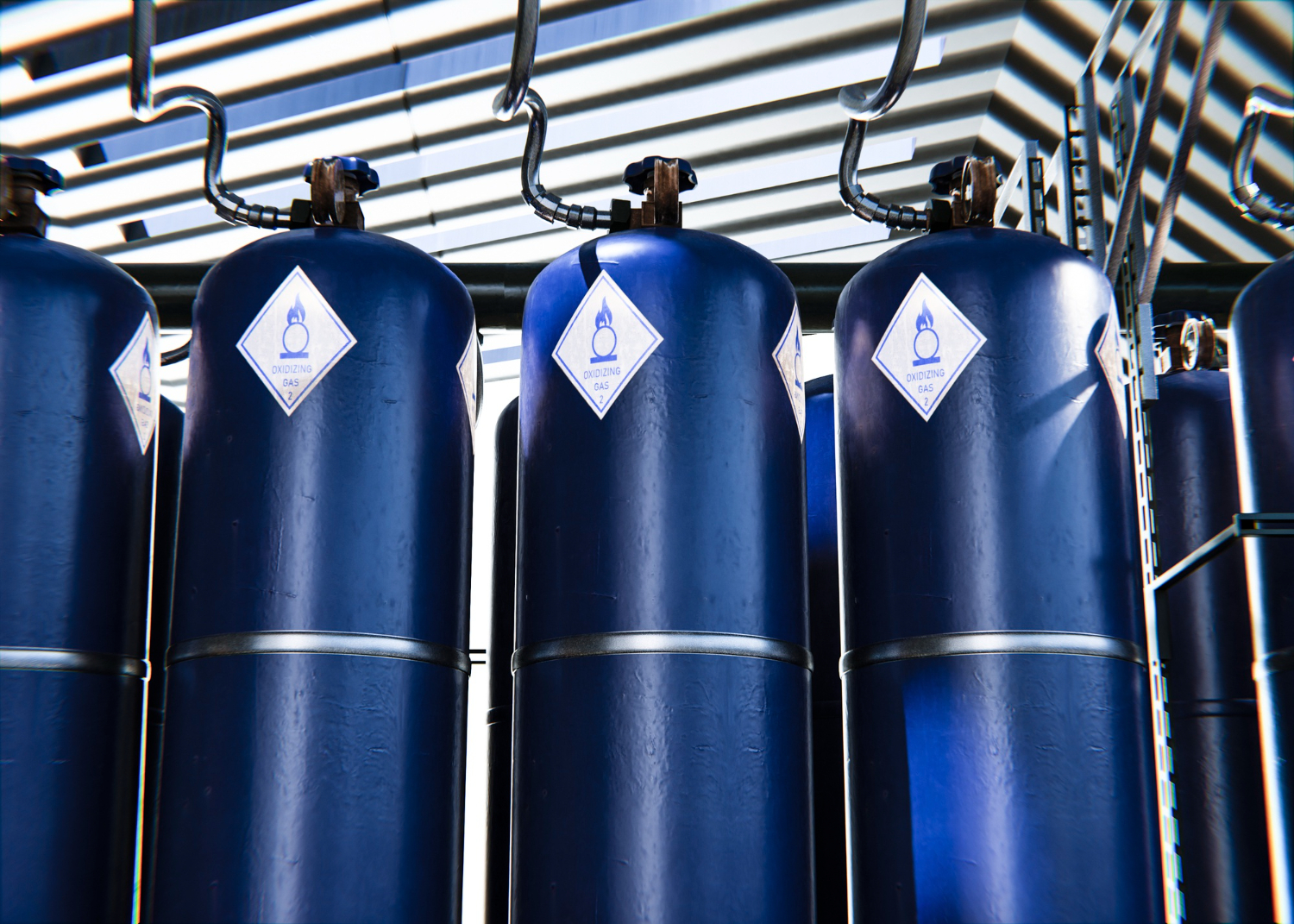
R‑290 is basically refrigerant‑grade propane — yes, the same propane used in grills, but super clean and highly refined (at least 98.5% purity with minimal moisture) to work safely in cooling systems. It’s used in commercial refrigeration (like freezers and display cases) and air‑conditioning, and stands out because it’s natural, non‑ozone‑depleting, and has an ultra‑low global warming potential (GWP around 3, or even 0.02 depending on timeframe)
What is Propane?
Propane is a hydrocarbon, with the chemical formula C₃H₈. When used in refrigeration systems, it’s called R‑290. Unlike standard propane you might get at a hardware store, R‑290 must be ultra‑pure — no moisture or impurities allowed, because those can damage a refrigeration system.
Though propane is flammable (classified as ASHRAE safety group A3), in commercial chillers and freezers, the charge size is limited to keep everything safe. Plus, certified technicians follow strict handling procedures during installation and service
Properties
| Property | Value |
|---|---|
| Chemical Formula | C₃H₈ |
| Molecular Weight | ~44.1 g/mol |
| Boiling Point | –42.1 °C (–43.8 °F) |
| Critical Temperature | ~96.7 °C (206.1 °F) |
| Critical Pressure | ~42.5 bar (≈616.5 psi) |
| GWP (100‑year) | ~3 |
| Ozone Depletion Potential (ODP) | 0 |
| ASHRAE Safety Classification | A3 (highly flammable) |
Why is it popular?
1. Ultra‑Low Environmental Impact
With extremely low GWP and zero ozone depletion potential, R‑290 is one of the greenest refrigerants available.
2. Energy Efficiency
R‑290’s thermodynamics are great — it transfers heat quickly, so systems can be designed with lower refrigerant mass flow, smaller piping, and better compressor efficiency. You’ll often see 30–50 % savings on energy compared to older HFC systems.
3. Cost Savings & Longevity
Because it uses less refrigerant and runs at lower pressure and temperature, equipment often lasts longer and costs less to run overall.
4. Regulatory Approval & Future‑Proofing
R‑290 is approved by EPA under SNAP rules and is exempt from certain venting bans. More commercial systems are being built around it to meet tightening environmental regulations.
5. Lower Charge Means Lower Risk
Since allowable refrigerant charge is limited (and small), risk from leaks is minimized — though again, proper training and procedures are non‑negotiable.

Use in Unifrost Chillers & Freezers
At Unifrost, R290 refrigerant isn’t just a trend — it’s the standard in many of their chillers and freezers.
Unifrost chillers and freezers use the eco-friendly R290 refrigerant, known for its excellent energy efficiency and low environmental impact. R290 helps these units run cooler and more reliably while consuming less power, saving you on electricity bills. It also supports faster cooling with minimal temperature fluctuations, ensuring your products stay fresh and safe longer.
Thanks to R290’s natural properties, these chillers and freezers produce less noise and have a smaller carbon footprint. Combined with features like heated glass doors to prevent fogging and bright LED lighting, they deliver both high performance and sustainability—perfect for modern restaurants, cafes, and retail spaces looking to go green without compromising quality.