Commercial Freezers vs. Chillers: Core Differences ❄️
When setting up a commercial kitchen, retail outlet, or food prep space, choosing between a freezer and a chiller is more than just picking cold vs. colder. Both units are built for specific purposes, and understanding the key differences can help you store products more efficiently, manage energy costs, and maintain food safety. Here’s a clear breakdown to help you decide which one fits your business needs best.
Temperature Range
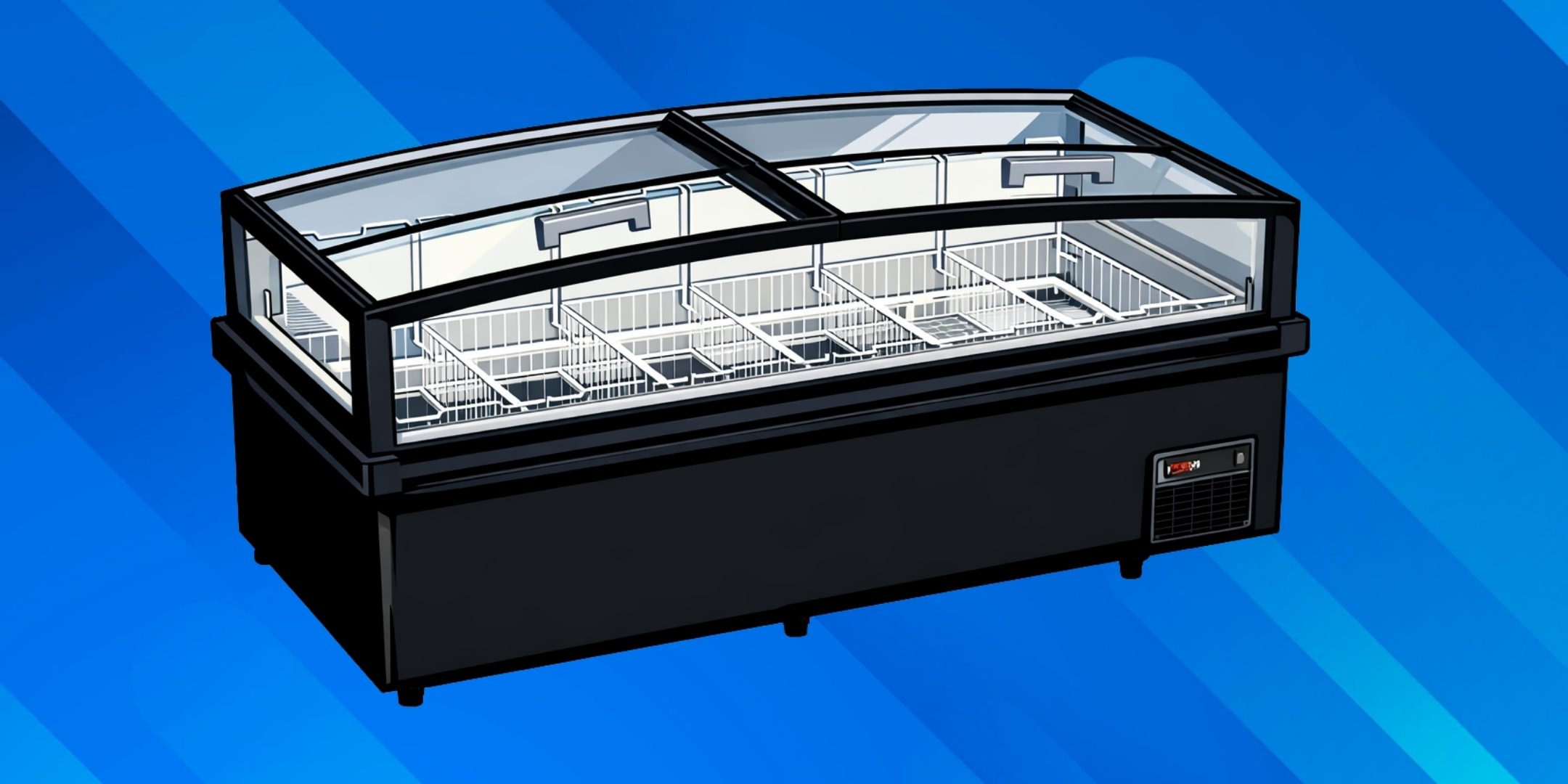
Freezers hold steady at –18 °C to –25 °C, ideal for long-term preservation of items like meat, seafood, ice cream, and some pharmaceuticals. Chillers maintain a milder 0 °C to 5 °C (up to ~10 °C), perfect for fresh produce, dairy, beverages, cut flowers, and short‑term storage.
Insulation & Construction
Freezers require thicker, high‑density insulation, heavy-duty panels, heated door seals, and powerful compressors to maintain sub‑zero temperatures. Chillers use lighter insulation and less intensive refrigeration systems designed for modest cooling, which also contributes to better energy efficiency.
Energy Consumption & Efficiency
Freezers consume more energy due to their lower temperature settings and continuous cooling demands. While insulation helps retain cold air, the system still works harder overall. Chillers are more energy-efficient, thanks to higher temperature setpoints and lighter internal components, making them suitable for daily use in busy environments.
Maintenance & Durability
Freezers require regular defrosting, door seal checks, and compressor maintenance to prevent ice buildup and maintain efficiency. Chest freezers are typically the most low-maintenance option. Chillers also need consistent upkeep—mainly gasket checks, coil cleaning, and monitoring temperature accuracy—but they’re generally simpler and cheaper to maintain than freezers.
Applications & Use Scenarios
| Use Case | Freezer | Chiller |
|---|---|---|
| Storage Duration | Long-term cold/frozen storage | Short to medium-term fresh storage |
| Typical Contents | Frozen meats, seafood, ice cream | Dairy, produce, beverages, fresh-cut foods |
| Business Examples | Supermarkets, butcheries, food processing | Cafés, restaurants, florists, bars |
| Space & Scale | Walk‑in/freezer cabinets for bulk storage | Reach‑in or walk‑in chillers for ready access |
| Ideal Setup | Bulk inventory, backup supply | Daily-use stock, temperature-sensitive items |
Cost Considerations
Freezers generally cost more upfront and over time due to their heavy insulation, powerful compressors, and higher energy demands. Chillers are more affordable to operate and install, especially in setups that require frequent access and quick product rotation.
Choosing What’s Right for You
-
Assess Temperature Needs – Do you need deep freezing or just cooling?
-
Estimate Storage Duration & Turnover – Freezers are for bulk stock; chillers are for daily use.
-
Evaluate Energy Budgets – Consider operating costs for long-term use.
-
Factor Maintenance Capacity – Be realistic about time and resources for upkeep.
-
Optimize Space & Infrastructure – Plan layout wisely: chillers for prep zones, freezers for storage rooms.
Freezers and chillers serve two very different yet complementary purposes. Freezers are built for sub-zero, long-term preservation, but they come with higher running costs. Chillers are ideal for everyday use, offering efficient cooling for fresh goods. Most businesses benefit from a combination of both—ensuring products stay safe, fresh, and ready whenever needed.
Share the Post: