
Thinking of opening a minimart, bakery, or convenience store? Then you’re definitely going to need a reliable chiller — and that means understanding commercial refrigeration. But wait — what’s the difference between a home fridge and a commercial one?
If terms like “condenser coil” or “refrigeration cycle” sound intimidating, don’t worry. Here’s a simple breakdown of commercial refrigeration, made just for beginners like you.
Let’s cool it down — step by step. 🧊
What Is Commercial Refrigeration?
Commercial refrigeration refers to cooling systems used in businesses like restaurants, cafés, grocery stores, and pharmacies to store perishable goods safely. Unlike household refrigerators, these units are designed for continuous operation, higher capacity, and compliance with food safety standards.
The Key Components
Compressor: The heart of the system, responsible for circulating refrigerant.
Condenser Coils: Release heat from the refrigerant; often located at the back or bottom of the unit.
Evaporator Coils: Absorb heat inside the unit; usually found inside the storage area.
Expansion Valve: Controls the flow of refrigerant into the evaporator.
Thermostat: Regulates the temperature by controlling the compressor’s operation.

How It Works: The Refrigeration Cycle
Commercial refrigeration systems operate on the vapor-compression cycle, which involves four main components:
Compressor: Compresses low-pressure refrigerant gas into a high-pressure, high-temperature gas.
Condenser: Releases heat from the refrigerant, causing it to condense into a high-pressure liquid.
Expansion Valve: Reduces the pressure of the liquid refrigerant, cooling it before it enters the evaporator.
Evaporator: Absorbs heat from the refrigerated space, causing the refrigerant to evaporate and cool the interior.
This cycle continuously removes heat from the refrigerated space, maintaining the desired temperature.
Choosing the Right Unit
When selecting a commercial refrigeration unit, consider the following factors:
Capacity: Ensure the unit can handle your current and anticipated storage needs.
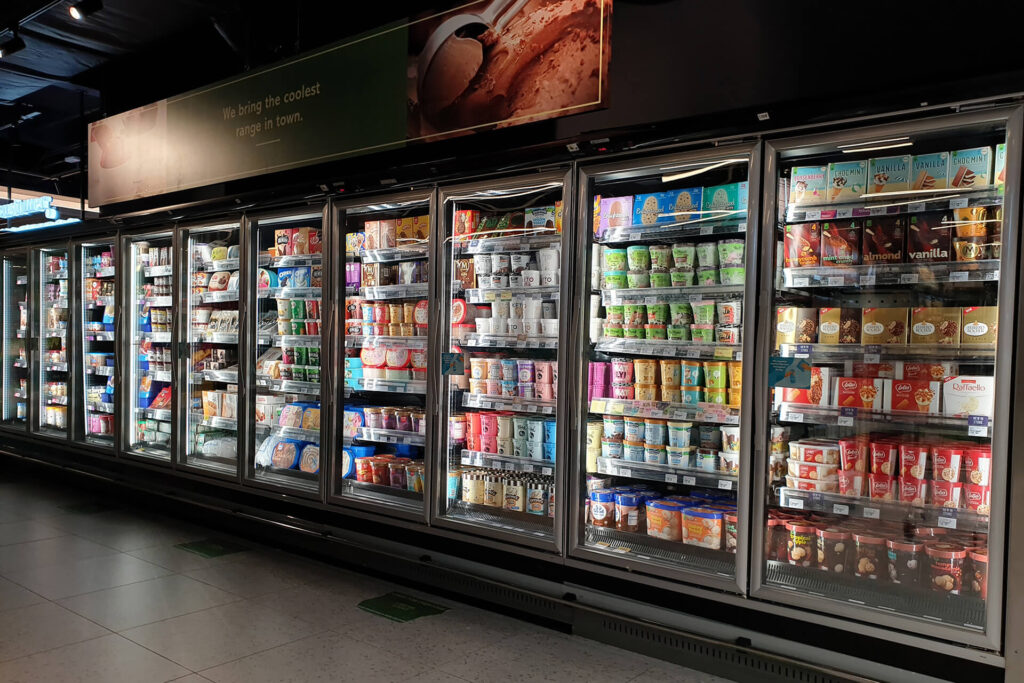
Type: Choose between walk-in coolers/freezers, reach-in units, or display cases based on your business requirements.
Temperature Range: Match the unit’s temperature capabilities with the types of products you store.
Energy Efficiency: Look for units with energy-saving features to reduce operational costs.
Compliance: Ensure the unit meets local food safety regulations and standards.
Essential Maintenance Tips
Regular maintenance is crucial to prolong the lifespan of your refrigeration equipment:
Clean Condenser Coils: Dust and dirt can impede heat transfer; clean them regularly.
Check Door Seals: Ensure they are intact to maintain temperature and efficiency.
Inspect Drain Lines: Prevent water damage and mold growth by keeping drain lines clear.
Monitor Temperature: Regularly check that the unit maintains the correct temperature.
Schedule Professional Servicing: Have a technician perform routine inspections and maintenance.
Common Issues and Troubleshooting
Be aware of these common refrigeration problems:
Unit Not Cooling: Check for power issues, thermostat settings, or refrigerant leaks.
Excessive Frost: May indicate a defrost system failure or door seal issues.
Unusual Noises: Could be due to fan or compressor problems.
Water Leaks: Inspect drain lines and door seals for blockages or damage.
Addressing these issues promptly can prevent costly repairs and downtime.
Understanding the basics of commercial refrigeration helps ensure your business operates smoothly and complies with food safety standards. Regular maintenance and timely troubleshooting are key to keeping your equipment running efficiently and extending its lifespan.


